Most historical sites feel like museums. You look at things behind glass, read plaques, and leave with a vague sense of the past. Then there are places where history isn’t preserved – it’s still happening. Where the Cold War never fully ended, where cities froze in time decades ago, where you can walk streets that most people don’t even know exist.
These are the destinations that stick with you. And college is exactly the right time to go. You have the flexibility, the curiosity, and the freedom to travel in ways that simply aren’t available later. If there’s ever a moment to fill your life with something genuinely memorable, it’s now.
Why These Places Hit Differently
Historical travel destinations come in many forms. The best ones don’t just show you the past – they make you feel the weight of it. These are places where political decisions made decades ago still shape daily life today. Where you can order a Soviet-era drink in a café that hasn’t changed since 1987, or stand at a border that exists nowhere else on earth.
Travelling to places like these as a student carries a specific kind of value. You’re studying history, politics, economics, and culture in lecture halls. Seeing it in the real world – in a form you can touch and talk to locals about – changes how you understand everything you’ve read.
Making Space for the Trip
Travel at this level takes planning and a clear head. Study commitments are real, and the final stretch of a semester is often the worst time to try and coordinate anything. The students who actually make these trips happen are usually the ones who’ve sorted their academic workload first.
When a major written deadline is sitting between you and a flight booking, it helps to know your options. Using the “write my papers for me” search queries to find assistance is one way students get their impressions and research shaped into structured, competent paperwork. That means you can travel fully, take it all in, and trust that the written output will do justice to it. The trip and the work don’t have to compete. The destinations below are worth showing up for properly. Here’s where to go.
1. The Korean Demilitarised Zone, South Korea
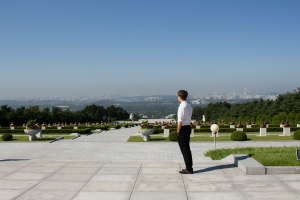
The DMZ is one of the most surreal places on earth. It’s a 4km-wide strip of land running 250km across the Korean peninsula – technically still a war zone, since the Korean War ended in armistice rather than a peace treaty in 1953. On one side, South Korea. On the other, one of the world’s most isolated states.
Standing at the Joint Security Area at Panmunjom, you’re within metres of North Korean guards. The tension is quiet but completely real. Young Pioneer Tours runs specialist trips into North Korea itself – one of the only ways to legally visit – but the DMZ is accessible from Seoul and gives you an immediate sense of a division that has defined East Asian politics for 70 years.
Practical note: Tours from Seoul run daily. Book through a licensed operator and bring your passport.
2. Transnistria, Moldova
Transnistria is a country that doesn’t officially exist. It declared independence from Moldova in 1990, has its own currency, army, and passport – but is recognised by no UN member state. Walking through its capital Tiraspol feels like stepping into a functioning Soviet time capsule. Lenin statues, Soviet-era architecture, and hammer-and-sickle symbols on the official flag.
The best historical places to visit are often the ones that challenge your assumptions about how the world is organised. Transnistria does that completely. You can visit as a tourist with relative ease – cross at the border, pick up local currency, and spend a day in a city that history forgot to update.
Best experience: The cognac factory. Kvint has been producing brandy since 1897 and offers tours and tastings for almost nothing.
3. Somaliland
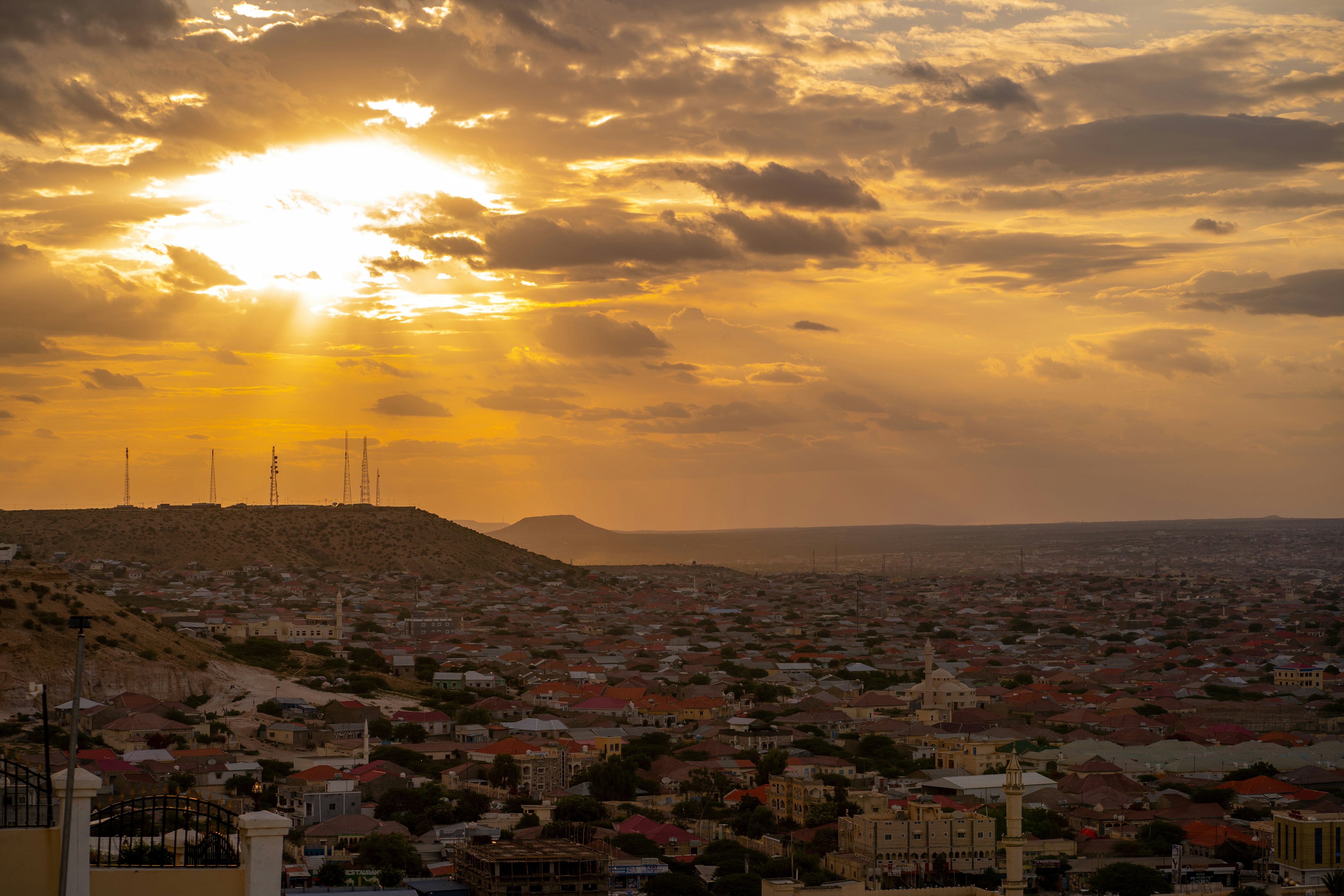
Somaliland is another unrecognised state – self-declared independent from Somalia in 1991 – but it functions with a level of stability and democratic process that surprises most visitors. The capital Hargeisa has a downed MiG fighter jet in the central square, a monument to the aerial bombardment the city survived in 1988.
Here’s what makes Somaliland worth the trip as a student:
– It’s one of the safest countries in the Horn of Africa, with a functioning passport and border control
– The ancient cave paintings at Laas Geel, dating back 5,000 years, are among the best preserved in the world
– Almost no tourists – you’ll have sites almost entirely to yourself
– Local hospitality is exceptional and the food is genuinely excellent
Young Pioneer Tours operates one of the few regular tour routes into Somaliland, making it far more accessible than most students would expect.
4. Eritrea
Eritrea is one of the least visited countries in the world, and that’s exactly what makes it extraordinary. The capital Asmara is a UNESCO World Heritage city famous for its extraordinary Italian Modernist and Art Deco architecture – built during Italian colonial rule in the 1930s. Walking those streets feels like stumbling into a film set that nobody else found.
Getting There
Eritrea requires a visa and is one of the more logistically complex destinations on this list. Tours with specialist operators are the most reliable way in. The isolation that makes it difficult to visit is also what’s preserved it so completely.
What to Expect
The pace is slow, the architecture is stunning, and the history – from Italian colonialism through Ethiopian occupation to independence in 1993 – layers in ways that reward curious travellers. This is one of those best historical places to visit that genuinely rewards preparation. Read before you go and you’ll get ten times more out of it.
5. North Korea
No list of historical travel destinations where history feels immediate is complete without mentioning North Korea. It is, without question, one of the most unusual travel experiences available anywhere on earth. The country operates as a state shaped entirely by ideology and a cult of personality that dates back to 1948.
Groups travel with government-assigned guides, visit monuments, schools, farms, and cultural sites. What you experience is curated – but what you take away is something no documentary or textbook can replicate.
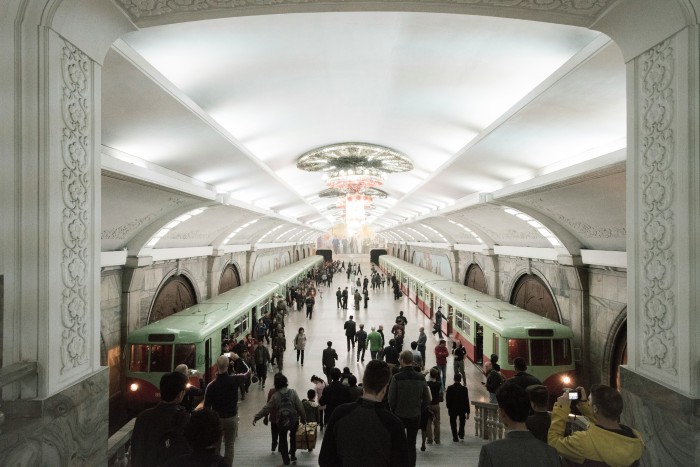
The experience raises questions that stay with you long after you’re home. That’s what the best travel does.
Final Thoughts
College is the window. The flexibility you have right now – to take a week and go somewhere genuinely unusual, to come back with a perspective that changes how you see your coursework and your world – is one of the most underused advantages of being a student. These five destinations aren’t just interesting. They’re the kind of places that make you think differently. Go while you can.