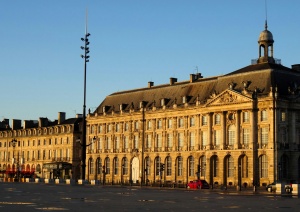
Landing in a new city often feels like a race against time to see every monument and hidden alleyway before the sun sets. When you first arrive in Bordeaux, the sheer scale of the 18th-century architecture can be overwhelming if you are only relying on a paper map.
Many travelers find themselves wandering aimlessly through the “Port of the Moon,” missing the tiny details that turn a pretty building into a piece of living history. By slowing down and following a structured path, you can transform a standard sightseeing trip into a deeply personal connection with the local culture.
1. Timing Your Tour for Better Exploration
Choosing the right time to start your adventure can change the entire atmosphere of your visit. Booking a morning slot allows you to wander through the Saint-Pierre district before the afternoon crowds arrive, giving you a much clearer view of the Gothic cathedrals and limestone facades. Starting early also means you beat the midday heat, which can be quite intense near the river during the summer months.
To bridge the gap between being a confused tourist and a savvy explorer, it helps to start with a professional overview of the historic center. For example, many people who worked with Bordeaux Free Walking Tours mention how having a clear sense of the city’s layout made navigating the rest of their stay much easier and more enjoyable. Since these local experts live and breathe the city’s history, you get an immediate feel for the best routes and which neighborhoods deserve a second look. This strategic start ensures you spend the rest of your vacation feeling settled and informed rather than lost.
2. Essential Gear for a Comfortable Stroll
Preparing your bag with a few key items will ensure that physical discomfort never distracts you from a great story.
● Supportive Footwear: The city’s beautiful cobblestone streets are charming but can be very uneven, so leave the flip-flops at the hotel.
● Reusable Water Bottle: Stay hydrated by filling up at the historic Wallace Fountains scattered throughout the public squares.
● Weather Layers: The breeze coming off the Garonne River can be chilly, so a light jacket or a small umbrella is always a smart addition.
● Small Change: Keeping a bit of cash on hand makes it easy to show your appreciation at the end of the experience.
Having these basics covered allows you to focus entirely on the landmarks and legends being shared by your guide. A comfortable traveler is a happy explorer who is ready to walk for hours without a second thought.
3. Engaging with Your Local Storyteller
The real magic of a guided walk happens when you move beyond just listening and start participating in the conversation. Don’t be afraid to ask about modern life in the region or the best nearby vineyard excursions that fit your specific palate. Your guide is a treasure trove of information that goes far beyond what is written on a bronze plaque. Engaging with them allows for a more mindful travel experience that stays with you long after you have returned home.
Sharing your specific interests, whether it is photography or 18th-century politics, helps the guide tailor their anecdotes to the group’s energy. This human connection is what separates a great tour from a boring lecture, turning facts and figures into memorable moments. Most guides are also happy to share their favorite “off the menu” spots for dinner that most tourists never find. These casual interactions often lead to the most authentic discoveries of your entire European vacation.
4. Mastering the Etiquette of “Pay What You Feel”
Understanding the gratuity-based model helps you navigate the end of the tour with total confidence and grace.
● Valuing the Expertise: Consider the length of the tour and the quality of the storytelling when deciding on a fair contribution.
● Supporting Local Talent: These contributions go directly to independent guides who are passionate about preserving their city’s heritage.
● Accessibility for All: The model ensures that everyone can enjoy a world-class history lesson regardless of their travel budget.
● Direct Impact: Your support helps sustain a culture of high-quality, community-driven tourism in the southwest of France.
This flexible system keeps the standards high because the guides are always motivated to provide the best possible experience. It is a fair way to ensure that passion and knowledge are rewarded appropriately by the people who benefit from them most.
Final Thoughts
A great walking experience should leave you with more than just a camera roll full of pretty buildings; it should give you a sense of belonging. By following these simple tips, you ensure that your time in the wine capital of the world is spent wisely and comfortably. You will leave the tour with a full stomach, a clear map, and a heart full of stories that make the city feel like home.