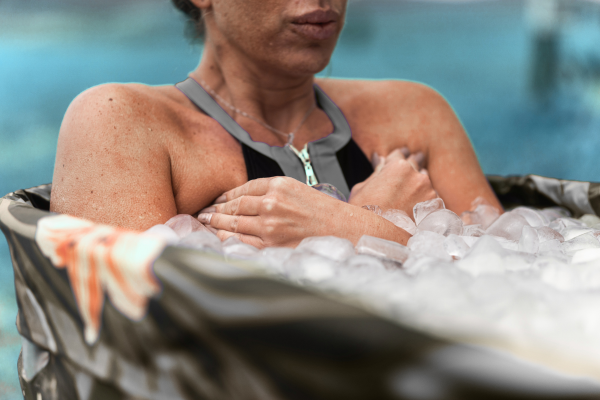
Certain phases of life demand more of us than others. Stress, illness, emotional loss, burnout, or bodily changes can subtly affect our mental and physical wellbeing, often in ways that are hard for others to understand. Gentle forms of self care become especially crucial during these times, as even simple routines can feel daunting. Finding stability, comfort, and emotional grounding during uncertain times is just as important to many people looking at alopecia support solutions as appearance.
Self-Care Looks Different During Difficult Periods
When you’re going through a hard time, you stop worrying so much about having everything together. You just focus on what helps you feel a little better day by day. Maybe that’s getting extra sleep, taking things off your plate, or resting when your body feels worn out. In stressful moments, those little things end up mattering a lot.
Even when they are going through personal problems, many people put pressure on themselves to carry on as usual. This strain might eventually lead to weariness, which can affect mood, energy, and confidence. Gentle self-care encourages a new approach that is centered on patience rather than performance. It allows space to slow down without feeling guilty.
The Emotional Connection Between Hair And Identity
Changes in one’s hair can have emotional consequences that go well beyond looks. Changes in hair, whether brought on by stress, illness, hormonal changes, or hair-loss diseases, can affect how people perceive themselves during already vulnerable times. Feelings of unease, sadness, or alienation from your identity can result from looking different from what you are accustomed to. Healing requires acknowledging those feelings.
That’s why having support around you matters. For some people, trying wigs, protective styles, or taking better care of their scalp can help them feel more comfortable and confident little by little. It’s not really about hiding anything — it’s about doing whatever helps you get through a hard time feeling a bit more like yourself. Sometimes the smallest things can bring a sense of comfort when everything else feels stressful.
Why Scalp Care Deserves More Attention
Scalp health is often overlooked when hair loss is the primary concern. However, maintaining a healthy scalp can improve comfort and overall well-being for people who wear wigs or other head coverings regularly. Stressful events or medical procedures may worsen dryness, pain, and sensitivity.
Nutrition And Emotional Wellness Work Together
Physical and emotional wellness are inextricably intertwined, particularly during hard life transitions. Long-term stress, poor eating habits, and sleep issues can all negatively affect mood, vitality, and hair quality. While no program can totally remove stress, relaxation and nutrition can help the body maintain resilience during challenging times.
Eating well, getting enough sleep, and staying hydrated can make a real difference when you’re dealing with emotional stress. Having people to lean on matters too. Tough times feel a little easier when you can talk openly with someone you trust, ask for help when you need it, or just feel understood. Healing usually happens little by little, not all at once.
Small Ways To Practice Gentle Self-Care
Self-care is typically most helpful during challenging times when things seem manageable rather than overwhelming. Little, consistent practices can ultimately lead to comfort and emotional stability.
- Selecting relaxing and gentle practices rather than rigid standards
- Keeping up moderate hair and scalp care routines
- Making balanced meals, rest, and water a priority
- Spending time with relatives or friends who are encouraging
- Making time for relaxation without feeling bad about it
Support Systems Matter More Than Most People Realize
People frequently underestimate the importance of feeling supported when trying to recover emotionally. Isolation can make stress feel heavier and more difficult to manage during challenging times. Even little acts of kindness from family members can bring comfort and stability. When people feel cared for, they cope with change more easily.
Moreover, help might come in many different kinds. Some people benefit from practical assistance with everyday tasks, while others seek emotional support or just someone to listen. The most crucial thing is realizing that you don’t have to go through difficult times by yourself. On its own, the feeling of community may be incredibly therapeutic, which is why many conversations around wigs Toronto communities share are rooted in empathy, encouragement, and personal understanding.
Final Thoughts
A gentler, more sympathetic approach to self-care is often needed during periods of transition. During uncertain times, people can find stability through mindful self-care, adequate nutrition, emotional support, and soothing rituals. For many individuals exploring alopecia support solutions, the process becomes part of a broader journey toward comfort, self-acceptance, and emotional well-being. In moments of transition, gently caring for yourself is not a luxury but an important form of healing.