Antigua was a place I had heard about time and time again before arriving. This beautiful and iconic destination fits into most travellers’ itineraries for good reason.
Known for being one of the most picturesque cities in the region, backed by volcanoes and coffee farms, I knew that I would be captivated by its charm from the get-go.
That said, my arrival here was far from graceful; in fact, this was my first time riding a motorbike on uneven cobblestones, which made admiring the colourful streets, striking buildings, and soaring volcanoes quite a challenge.

I would like to say I was mesmerised by it all, but that came later – as soon as I could breathe a sigh of relief that I had made it to my accommodation. Navigating Antigua’s streets on a small bike with more luggage than I needed was trickier than walking the famous cobblestoned streets of Temple Bar in Dublin in a pair of high heels, but somehow I managed to conquer both.
It wasn’t long before I checked into my hostel, right in the centre of the old town, and ventured out onto the vibrant city streets to soak up the vibes I had heard so much about. I had set aside a few days to explore Antigua and its surroundings, but this quickly turned into a week, and meant I had to change accommodation three times.
The cosmopolitan feel paired with the ancient heritage was just one of the many things that made me fall in love with Antigua. And it remains one of the most memorable places of my Central American journey.

Get oriented – location
Antigua is under an hour from Guatemala City, where many travellers fly into, but the two destinations could not feel more different. Guatemala City is often seen as a transit hub rather than a place to linger – an introduction to the country rather than a destination in its own right.
My own experience reflected that: a sprawling city defined by endless fast food restaurants, hectic traffic and fast-paced urban energy that most travellers want to avoid.
In contrast, Antigua fits in perfectly on a traditional Central American itinerary, whether you are travelling north from El Salvador or south from Mexico. It attracts travellers with its slow pace of life and strong sense of local culture, making it hard to believe that these two destinations are a stone’s throw from each other.

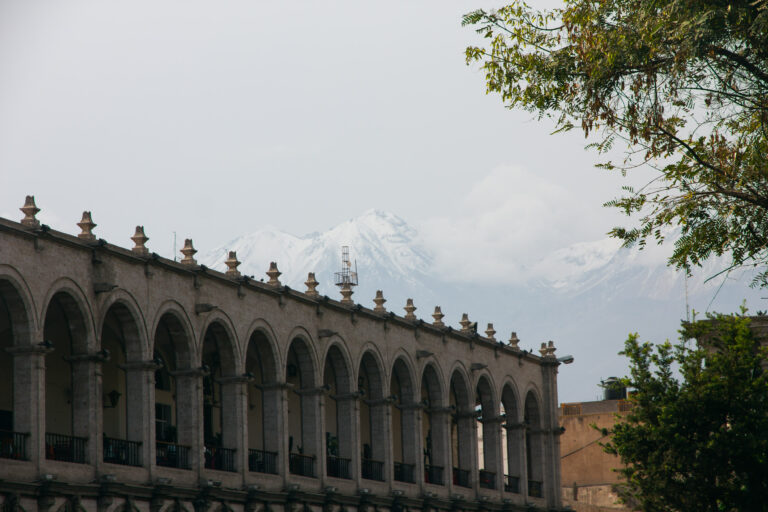
Set at around 1500m above sea level, and surrounded by some of the most iconic volcanoes – Volcan de Agua, Fuego and Acatenango, Antigua is visually dramatic in every sense. Its prime location makes it a great base for hiking, adjusting to the culture and planning onward adventures.
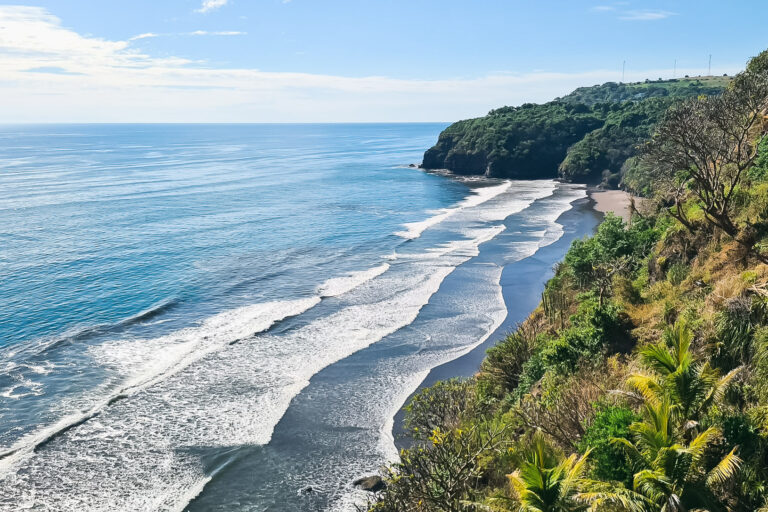
In terms of distance to other notable hubs, it is about 2.5 hours from Lake Atitlan, 3 hours from Quetzaltenango and under 2.5 hours from El Paredon on the Pacific coast.
How to get there?
Part of the appeal of visiting Antigua is its ease of access, which makes it a welcoming stop for first-time travellers or those just seeking some downtime.
Many people enjoy Antigua so much that they decide to stick around longer than planned, either working remotely, exploring more of the surroundings or learning Spanish (since Antigua is a known hub for Spanish schools). No matter where you are, you can easily find a way to get to Antigua, and there are a few options to choose from.
Own transport
Overlanding is becoming more and more common these days, with many taking on the longest road in the world – The Pan American Highway.
Visiting Antigua in your own car, campervan or motorbike (as I did) gives you the freedom to explore and means you are less reliant on local tours, especially if you have off-road capability. However, driving in Guatemala is crazy and sometimes dangerous, so I would not advise this unless you are a skilled driver seeking a challenge – little did I know that would be me.

Local transport
This is a fantastic budget-friendly way of travelling and one of my favourites. Despite having my own motorbike, there were many times I hopped aboard a colourful chicken bus to take a break from navigating the roads.
You can catch a direct bus to Antigua from main hubs like Guatemala City and Quetzaltenango, but if you are coming from places like Semuc Champey, Lake Atitlan or even the Pacific coast, tourist shuttles are the most straightforward way.

Chicken buses can be taken throughout the country, but they can require several changes, and you will need to make sure you have some decent Spanish skills up your sleeve. That being said, taking a chicken bus is quite the adventure in Guatemala, so I would heavily suggest giving it a go.
By plane
While Antigua doesn’t have its own airport, it is (technically) under an hour from La Aurora International Airport in Guatemala City, but you should add an extra couple of hours for hectic city traffic.
From the airport, you can take a shared shuttle, Uber, private transfer or chicken bus (although I would not suggest this option with a lot of luggage). This is one of the busiest airports in Central America since it has direct connections to various cities in North and South America, as well as connections to Europe.
The only other international airport is Mundo Maya in Flores, which is about 9 hours from Antigua – if traffic is good. If you are planning to fly in, I would suggest planning transport to Antigua rather than staying in Guatemala City – you won’t regret this.
Exactly where to stay
Antigua is a haven for accommodation options, since it caters so well to everyone. In recent years, it has become quite a mecca for digital nomads, and I, for one, enjoyed working from the cafes around the city.
Due to its strong connections to North America and parts of Europe, Antigua is a popular destination for holidaymakers, backpackers, and overlanders, so you get a great mix of people around town. In addition, there are many who have made the move here, so you will most likely meet a few expats (like Dave from Texas, who came for a short trip years ago but never quite left), now calling this stunning city home.

Whether you are seeking a luxury boutique resort or the cheapest dorm option available, Antigua has it all; however, if you are visiting during peak season or even on the weekend, make sure to book ahead.
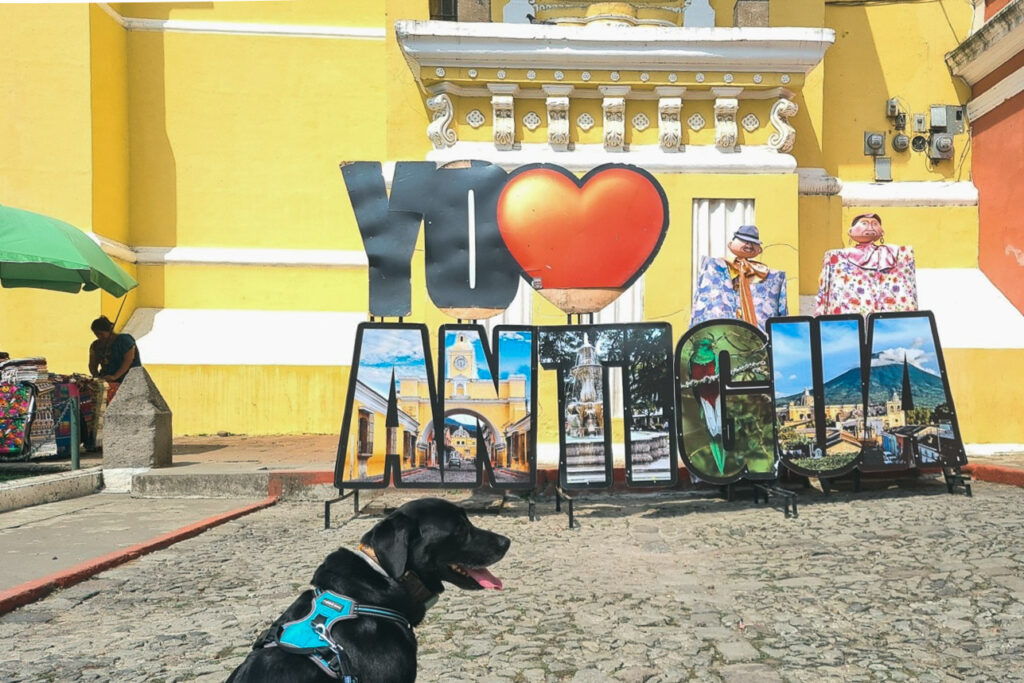
Having realised just how much I loved Antigua, I decided to extend my trip, which meant that I had to move hostels because it was booked out. This was a bit of a struggle with a dog, a motorbike and lots of luggage, so I would suggest booking 4-5 days in advance if visiting at a busy time.
In terms of location, I had to switch accommodation three times, and although the sister hostels Hotel Cristal and Cristales de Antigua la Calzada had great locations in the heart of the vibrant old town, the third place I stayed, for one night only, was further out of town, and was a little inconvenient in my opinion.
Other unique and outstanding options that caught my attention included:
- $ Casa de Leon is a family-run stay with basic rooms and a local, home-style feel, located in a slightly quieter corner of town
- $ El Ocote Hostel (if you’re on a budget) is best for location and price over comfort
- $$ Hotel La Villa Serena (if you’d choose peace over proximility) sits in a quiet residential pocket, close to the center, with rooms set around a leafy courtyard
- $$ Hotel Rholyn Pura Vida is a small guesthouse near the center with rooftop breakfasts and owners heavily involved in the day-to-day
- $$ Hotel Posada San Pedro (epic central location) – early morning service, volcano views, and a quiet base just steps from Antigua’s core
- $$$ Hotel la Galeria – (best if atmosphere matters as much as location) – It’s built around a leafy interior garden with simple, characterful rooms and a nice homemade breakfast
- $$$ Hotel Posada de Don Rodrigo Antigua is a colonial-style hotel in the center with a courtyard, antique-filled rooms and rooftop volcano views


Best things to do in Antigua
I loved this variety of things to do in Antigua and spent my days either hiking volcanoes, exploring local ruins with my dog or tasting the local cuisine. It is because of the wide range of activities that I suggest allocating a bit more time than originally planned to get a chance to settle in and properly enjoy this city.
Getting the chance to see or even camp next to an active volcano is mindblowing, so it is no wonder this is one of the top activities. But Antigua is also one of the most picturesque destinations you can imagine, so you can easily spend time just admiring the views and taking photos, and the many rooftop bars and restaurants are great for this.
With that in mind, here are some of my top recommendations for things to do in Antigua.
This walking tour covers the history, the hidden spots, the best coffee in town and leaves you with a proper feel for the city before you go off on your own.
Pay what you want at the end.
1. Acatenango Hike
The 4-6-hour hike to Acatenango base camp is at the top of my list for a reason. It is not every day you get the opportunity to camp above the clouds, while having a view of a constantly erupting volcano in front of you.
While this is a very easy activity to plan, the hike itself should not be underestimated, and I would suggest completing a few mountain hikes before attempting this.


There are an abundance of tour operators around Antigua, and I spent an entire day trying to get the best price, but also trying to find a dog-friendly option, which is rare. Needless to say, I was met with lots of belly laughs and strange looks, with one tour operator even suggesting I leave my dog in their office while I was gone. A hard no from me!
Luckily, I found one that allowed my dog on the transport (believe it or not, this was the only reason most operators would not accept us) and in the tent at the campsite. Groups usually hike to the base camp, spend the night there and then continue to the summit (about 45 minutes) for sunrise the following morning.
I found the last 45 minutes very tough, due to the altitude (Acatanango reaches almost 4,000m), so I decided to stop midway and still got a great view of the sunrise and fiery El Fuego.

Editor’s here! As Jade confirms, this is one of the tightest overnight hikes up Acatenango. CN Travelers provides the right guidance and logistics for it (two breakfasts, lunch, dinner, warm gear, semi-private cabins at base camp, ect). If you’ve got the legs for it, the optional Fuego hike at sunset and sunrise summit is worth every extra step.
Part of what you pay goes to local schools!
Here are a few things to note when planning to hike Acatenango:
- The hike is steep from the beginning, so be prepared for a steady incline with few breaks. Hiking in a group was very tough for me, as I felt the pressure of trying to keep up.
- Altitude sickness will slow you down, despite how fit you are, so take your time and prepare in advance.
- The trail has many stray dogs, but they are all so friendly towards people and other dogs, so do not worry.
- Bring lots of snacks to keep your energy up, and lots of layers as it gets very cold at the top overnight.
- There is an optional hike to Volcán El Fuego, but this is a very strenuous hike that is undertaken at sunset. I, alongside half the group, did not take part but rather enjoyed the exploding volcano views from the comfort of our campsite’s communal lounge, which was incredible. Watching this surreal view with new friends was by far one of the most memorable experiences, and I have zero regrets.
- Tours can cost anywhere between $70 – $150, so always ask around, see what is included in the price and always read reviews before booking.
- You don’t need any camping equipment as part of a tour (you will if you hike independently), and food is often included.
- Check the weather, and only do this hike when the weather is calm and clear. This makes the trail much more accessible and safer, but also guarantees amazing views of El Fuego as it breathes fire throughout the day.
- If you do not want to hike, you can take a jeep tour, which costs significantly more but is well worth it for this unique experience. We saw lots of jeeps pass by the trail, and it looked like so much fun!
- Taking a dog is very rare but doable, so if you are travelling with a furry friend that is up for the challenge, then it is worth asking around.

2. Arco de Santa Catalina
If there was one spot to mention for photos in Antigua, it has to be the iconic Arco de Santa Catalina. This image has graced countless travel guidebooks and magazines, so it will be instantly recognisable.
Because of this, it can get extremely busy with everyone trying to get that perfect Instagram snapshot. However, I visited again at sunrise and got to experience the amazing views with little to no crowds, so set your alarm – it is worth it.

3. Stroll around the old town and browse the local stores
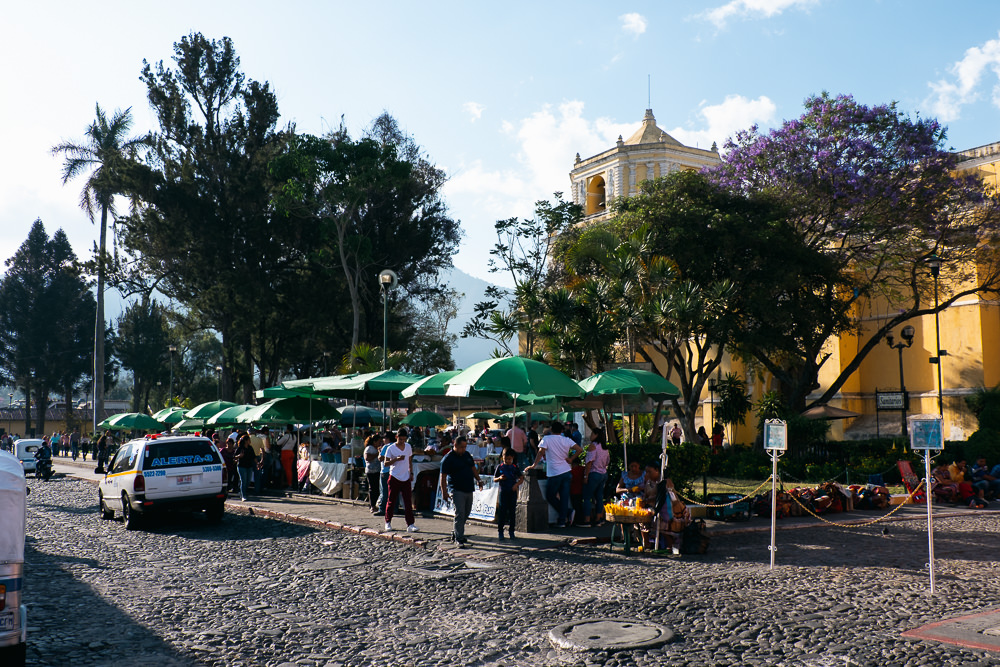
Antigua’s slow pace of life is contagious, and there were some days when I just strolled around taking photos, tasting local coffee and stopping once in a while for a fresh juice or an ice cream. The cosmopolitan city invites you to unwind and soak it all in, and I, for one, loved this aspect.
The historic centre is a UNESCO World Heritage Site brimming with beautiful Spanish colonial architecture and ancient churches. Yet intertwined, you will notice trendy eateries, backpacker hangouts and rooftop bars, a striking contrast which seems to work rather well together.

4. Cerro de la Cruz
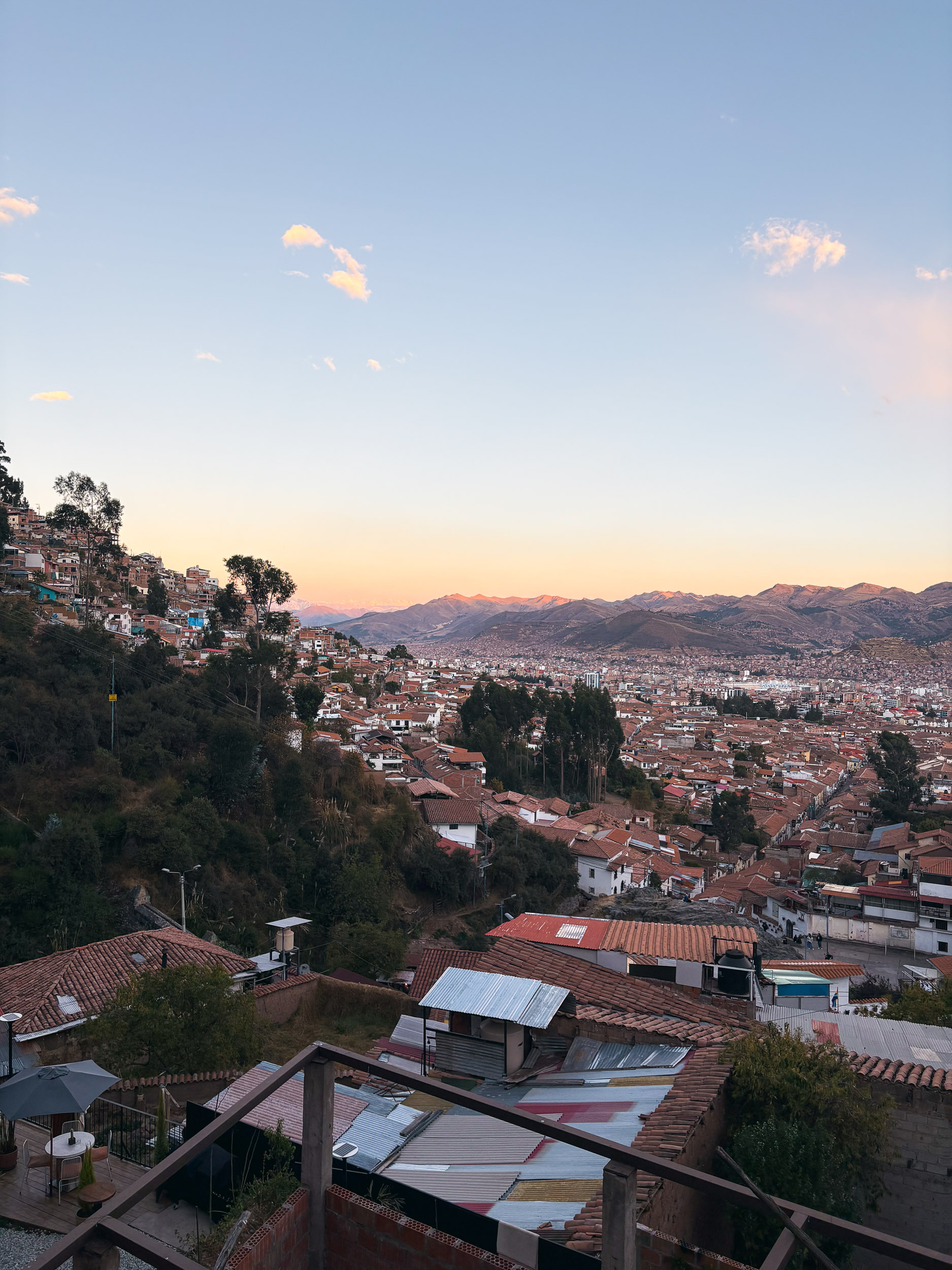
This is an excellent sunset spot, and you will rarely be alone if you visit at this time – but that is the beauty of it.
The view paired with the golden hour ambience was one of the things I loved about it, and it reminded me a lot of viewpoints you might find in places like Barcelona or Madrid. The viewpoint is easy to reach from town on foot, and takes about 25 minutes from the centre of town.

5. The ruins of Convento de la Recolección
This ancient ruin is so easy to reach from town, and a really intriguing place to wander around. You will find a lot of ancient ruins around Antigua, so if you are a history buff like me, who loves to learn on the go, then you will be in your element.
The Convento de la Recolección was located just a few minutes from my hostel, and I spent about an hour wandering through the derelict structures and taking photos. There was something quite intriguing about this place, as if it were just frozen in time.

6. Mercado Central
As a foodie and a budget traveller, I always seek out the central market wherever I go. From small Greek towns to Latin American cities, I make it my mission to source local produce and try the local dishes around the world. Often in Latin American markets, you will find a section of the market that has a food court (not the shopping mall kind), and this is where you can try the best local food.


Antigua’s Mercado Central is located in the heart of the old town and is a great place to pick up souvenirs or anything you need for your onward journey. For example, I picked up a cheap head torch and some batteries for my Acatenango hike.
This is most certainly one of the busiest parts of the city, but it is the hustle and bustle of everyday life in this part of Antigua that makes it a special place to witness.
7. Iglesia de la Merced
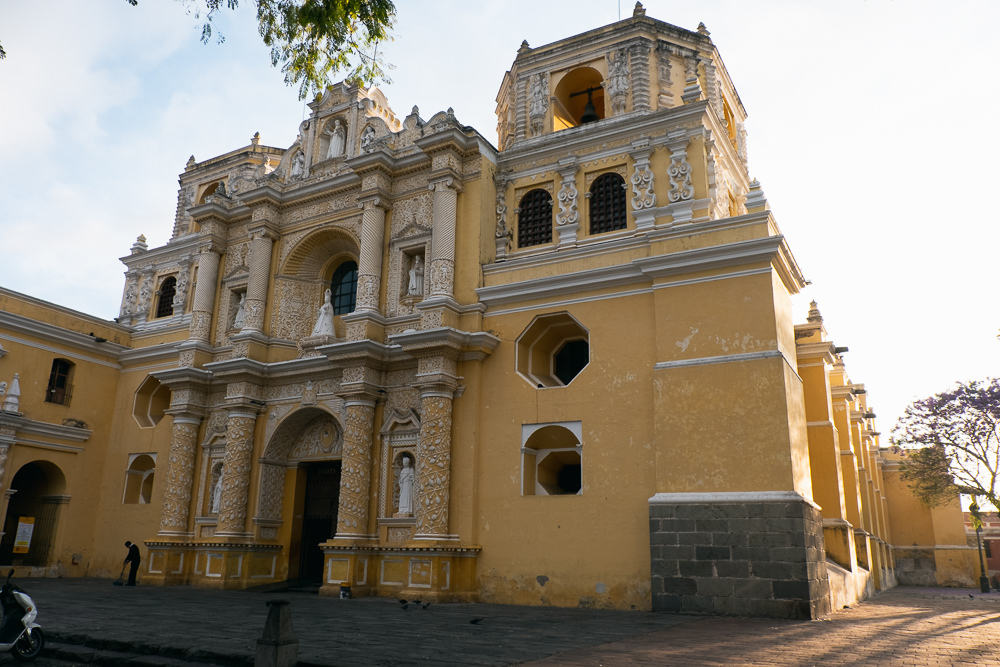
This is no ordinary church; it is another iconic symbol of the city, much like the Arco de Santa Catalina. The striking yellow facade is instantly recognisable, but despite how many images you may have seen of this landmark, nothing quite prepares you for how bold and elegant it looks in person.
In fact, many of Antiguas buildings, streets and even ruins are wildly captivating, all the while being vastly different. As with many churches, you can visit the inside, but the real highlight for most is the exterior, and I have to agree.
8. Coffee plantation tours/Chocolate Museum
Antigua is the place to try coffee and chocolate, but if you want to take it a step further than the atmospheric cafes, you can opt for a local tour.
Antigua’s high altitude and fertile volcanic soil make it a perfect place to grow coffee, and chances are you will already have seen Guatemalan coffee for sale in other parts of the world. Now that you are in the area, you need to try it at the source. You will find small coffee fincas dotted around the city, and the many tour operators are happy to organise a coffee tour.
For the sweet tooth, a visit to the ChocoMuseo is a must, where you can learn about the process, make your own chocolate and of course taste the goods. I skipped this, since I had completed an amazing chocolate-making workshop in Salento, Colombia, and I had stayed on a cacao farm in Lanquin (close to Semuc Champey) before arriving in Antigua, but I would heavily suggest it as a great activity.
Most people head straight for the volcanoes and miss this entirely. It’s a warm family farm that welcomes you to roast your own coffee, taste honey straight from the comb, and get a real look at how a living ecosystem actually works – avocados, pollinators, compost, the whole thing. The experience is a beautiful encounter with a family, their land, and 2 hours that’ll stick with you.
Where to eat/drink
Antigua is the place to indulge in just about anything. You can find plenty of local eateries as well as food from around the globe, so it makes it ideal for first-time travellers easing into a new culture or those who might be missing some familiar dishes – this was often the case for me, when I couldn’t eat rice and beans anymore.
Here are a few great places to try when visiting Antigua.

Where to eat?

Where to drink?
Antigua Brewing Company was one of my favourite spots for an evening craft beer. Apart from a diverse menu, a great atmosphere and a fantastic playlist, the view from the rooftop is incredible by day and by night. Delicious local beer and volcano views – need I say more?
Here are some other excellent places to grab a drink

Tips & advice
- The best time to visit Antigua is between November and April, which is when I visited. You can enjoy dry, sunny weather during this time, but since Antigua is known as “the land of eternal spring”, it has a great climate year-round. However, May – October is when you can likely expect tropical downfalls, which is not ideal if you are planning to go hiking.
- Antigua is regarded as a very safe place, especially compared to nearby Guatemala City, which is renowned for its high crime rate. Antigua maintains a welcoming and friendly atmosphere with an eclectic mix of people, and even walking around at night feels very safe. That said, it is always best to be streetwise and listen to local advice or warnings.
- In terms of cuisine, you can find almost anything in Antigua, from Japanese and Korean to Italian and French, so this is a food lover’s paradise.
- Antigua is a popular place for tourists, and while many people speak some English, it is best to have some basic Spanish before arriving.
- If you are travelling on a budget and want to cook for yourself, buy your groceries at the central market and not at the local supermarkets, which often have much higher prices and less variety.

Where to next?
Lake Atitlan is the perfect next stop from Antigua, considering it is another popular tourist hub located just 2.5 hours away.
There is a direct bus from Antigua to Panajachel, and from there you can reach other neighbourhoods around the lake like San Marcos, San Juan or San Pedro by local boat. Alternatively, you can travel by chicken bus or by tourist shuttle, depending on your preference, but allow up to 4 hours travel time for traffic or bus changes.
Your itinerary really depends on how you enter the country – check out our 2-week Guatemala itinerary for the optimal route. If Tikal Mayan ruins are on your list, our Flores travel guide is worth a read before you go.