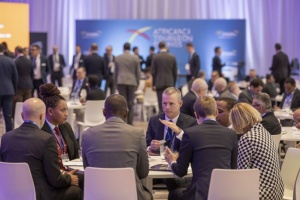
The Africa Tourism Investment Conference (ATIC), held on 14 April 2026 at the Cape Town International Convention Centre (CTICC), stands as a defining moment for the African tourism industry. This one-day conference, produced in partnership with JLL Africa and an affiliate member of the United Nations Tourism Organization (UNWTO), brought together key stakeholders from across the continent. Investors, policymakers, tourism authorities, and leaders from the private sector gathered with a shared mission: to ignite high-level discussions about unlocking tourism investment opportunities across Africa.
As part of the World Travel Market Africa (WTM Africa) program, the conference delivered impactful sessions, thought-provoking dialogues, and crucial partnerships that could shape the future of Africa’s tourism landscape. But more than just an event, ATIC 2026 was a call to action for those who understand the immense potential of tourism as a powerful economic driver for Africa’s sustainable development.
Tourism as a Catalyst for Africa’s Growth
Africa’s tourism sector holds vast untapped potential. According to the World Travel & Tourism Council (WTTC), the continent’s tourism industry has been growing steadily, accounting for a significant portion of Africa’s GDP and job creation. The ATIC 2026 conference underscored the essential role of tourism in accelerating development, creating employment, and strengthening regional partnerships. Gillian Saunders, the ATIC Conference Director, remarked:
“Tourism remains a powerful economic driver across the continent, offering opportunities to accelerate development, create jobs, and strengthen regional partnerships.”
As Africa emerges from global disruptions like the COVID-19 pandemic, the tourism industry is seen as an essential pillar of economic recovery and growth. In her speech, Saunders highlighted that, despite challenges, the tourism sector in Africa is resilient and has immense capacity for innovation. ATIC 2026 provided a platform for experts to discuss solutions to current barriers while exploring strategies for growth.

Investment Opportunities: A Shared Vision for the Future
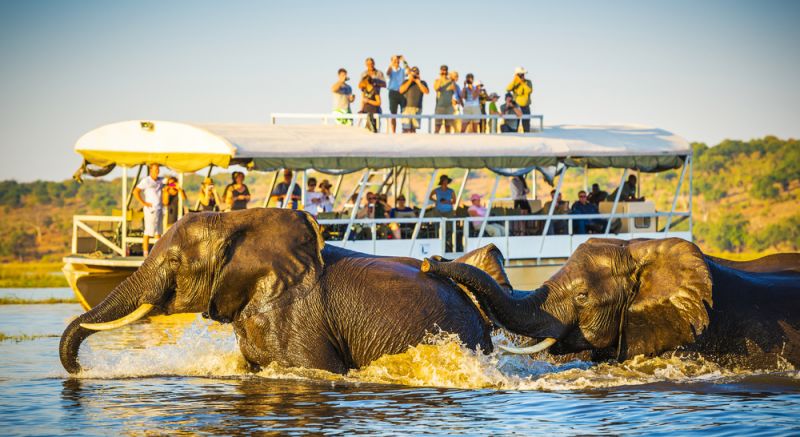
ATIC 2026 presented a comprehensive overview of Africa’s tourism investment opportunities. One of the key goals of the conference was to attract both regional and international investors into the tourism sector. The continent’s diverse offerings — from wildlife safaris and heritage tourism to emerging eco-tourism and urban tourism hubs — present a multitude of avenues for investment.
Industry leaders and financial experts shared insights into the evolving investment climate, highlighting key sectors such as hospitality infrastructure, digital transformation, and sustainable tourism practices. The collaboration between public and private sectors was a focal point, with discussions around policy reforms, financing mechanisms, and regional cooperation gaining significant traction.
JLL Africa, as a key partner of the event, played an instrumental role in facilitating these discussions, providing expertise in real estate investment and development. The real estate and hospitality sectors remain central to Africa’s tourism growth, with investment in hotel infrastructure, resorts, and tourism facilities being seen as a key driver of job creation and economic stimulus.
Job Creation and Economic Diversification: A Path to Sustainable Development
One of the most significant outcomes of ATIC 2026 was the reaffirmation of tourism’s role in job creation. In regions where unemployment rates are high, tourism is a powerful tool for employment, especially in rural and underserved areas. The discussions at the conference reaffirmed the notion that tourism can diversify economies, reducing dependency on sectors like agriculture or mining and creating a more resilient economic model for African countries.
Through the conference, delegates also explored how tourism can promote local entrepreneurship, with opportunities for small businesses to thrive within the sector. As Saunders pointed out, “Tourism offers a chance to empower local communities, strengthen cultural exchange, and support the growth of small and medium-sized enterprises.”
Panelists and speakers also highlighted the importance of education and skill-building to ensure that the African workforce is equipped to meet the needs of a rapidly growing tourism sector. Training in hospitality, tour guiding, digital marketing, and sustainable practices is essential for sustaining long-term growth.
Sustainability and Innovation: The Future of African Tourism
A key takeaway from ATIC 2026 was the recognition that sustainable tourism practices are crucial for the future of the industry. Africa’s rich natural resources, cultural heritage, and diverse ecosystems are its greatest assets. However, ensuring that tourism development doesn’t come at the expense of these assets is paramount.
As part of the discussions on sustainability, delegates explored innovative ways to develop eco-friendly tourism initiatives. From wildlife conservation efforts to the promotion of green tourism infrastructure, Africa’s tourism industry is increasingly aligning with global sustainability trends. Eco-tourism, community-based tourism, and sustainable travel practices are seen as critical for attracting the modern traveler, who is increasingly conscious of their environmental footprint.
The role of technology in shaping the future of tourism was also a hot topic. The rise of digital platforms, virtual experiences, and AI-driven tourism services were explored, with a focus on how these innovations could enhance the African tourism experience while contributing to the continent’s economic growth.

Regional Cooperation: Strengthening Pan-African Partnerships
Another key outcome of ATIC 2026 was the emphasis on regional cooperation. As a continent with more than 50 countries, the importance of Pan-African collaboration in tourism cannot be overstated. The conference brought together representatives from different African countries who shared the common goal of building a cohesive, integrated tourism market.
The creation of seamless travel experiences, streamlined visa processes, and the development of regional tourism corridors were among the ideas discussed. Regional partnerships, such as the African Continental Free Trade Area (AfCFTA), hold promise in unlocking easier movement of people and goods across borders, which is vital for the tourism sector.
Looking Ahead: A Bright Future for African Tourism
The impact of ATIC 2026 goes beyond just the discussions held within the walls of the Cape Town International Convention Centre. The event demonstrated the growing commitment of both the public and private sectors to harness the full potential of Africa’s tourism industry. It is clear that tourism is not just a source of income; it is a gateway to a more diversified, sustainable, and inclusive future for the continent.
With increased investment, innovation, and collaboration, Africa’s tourism industry is poised to become one of the most dynamic and influential sectors on the global stage. The momentum generated by ATIC 2026 signals a new era for tourism in Africa — one that is more resilient, sustainable, and impactful than ever before.
For policymakers, investors, and business leaders across the continent, ATIC 2026 has laid the groundwork for the next phase of Africa’s tourism evolution. The collaboration between JLL Africa, UN Tourism, and other stakeholders is a testament to the power of partnerships in unlocking the continent’s tourism potential.
As the industry continues to grow, ATIC 2026 has undoubtedly set the stage for Africa to emerge as a leading global tourism destination, with a sustainable, inclusive, and profitable future ahead.