
At a time when overtourism is reshaping global travel, the Yukon offers something increasingly rare: space, silence and the freedom to explore without limits. Vast, remote and deeply connected to nature, this is a destination where the journey is shaped not by crowds, but by the landscape itself.
With just 46,000 residents across a territory the size of Spain, the Yukon delivers an extraordinary sense of scale, where wilderness dominates and moose famously outnumber people. Reached via Whitehorse, the territory’s main gateway, around 80% of the region remains true wilderness, creating a setting where travel unfolds at a slower, more considered pace.
Routes such as the Klondike Highway and the Dempster Highway define the experience, carrying visitors through river valleys, boreal forest and into open tundra. Distances are long and the roads largely empty, where pulling over becomes part of the journey, whether to watch the light shift across a valley, spot wildlife moving through the treeline, or simply take in the scale of the landscape in complete stillness.
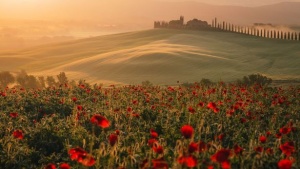
In summer, near 24-hour daylight under the Midnight Sun reshapes the rhythm of travel. Days stretch effortlessly into evening, leaving time for unhurried moments, casting a line into a quiet lake, walking through wildflower filled tundra, or taking to the water by canoe along the Yukon River, where the only sounds are the paddle and the current.
The Yukon is also a living cultural landscape, shaped by more than 12,000 years of Indigenous history. 14 distinct First Nations call the territory home, each with its own culture, language and traditions, with eleven self-governing Nations leading their own communities and future. Visitors are warmly welcomed and can experience this connection to place through small group, Indigenous led experiences, from guided walks and storytelling to time spent on the land, offering a deeper understanding of seasonal rhythms and ways of life.
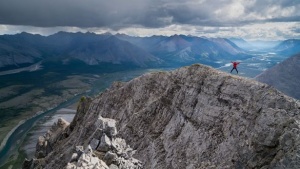
For those seeking to go further, the Yukon reveals itself through experiences that feel personal rather than programmed. Hiking in Tombstone Territorial Park offers vast, open trails where encounters with other walkers are rare, the landscape unfolding in wide valleys and dramatic ridgelines. Travelling by horseback provides a slower, more elemental way to explore, following historic routes through remote wilderness on guided rides or multi day backcountry expeditions, where the rhythm of the journey is set by the land itself. Wildlife sightings come without staging, a moose at the water’s edge, a distant caribou herd, or the sudden movement of an eagle overhead.
In winter, the same landscapes transform into a snow covered wilderness, where dog sledding becomes a means of travel rather than an attraction, moving silently through forest and across frozen lakes. As darkness falls, the sky comes alive with the shifting colours of the Aurora Borealis, best experienced far from any crowds, in complete stillness.
The Yukon remains one of the last truly wild frontiers in North America, a place where scale, silence and solitude still define the experience. Here, travel is not shaped by queues or crowds, but by the land itself, offering a rare opportunity to step into something far more expansive, and far more meaningful, than the modern travel norm.
Take me to the Yukon this summer with Freedom Destinations:
Freedom Destinations offers an 8-night package from £2279 per person including return international flights from London Heathrow and internal flights from Vancouver to Whitehorse, one night at the Edgewater Hotel in Whitehorse and seven nights round trip, fully insured motorhome rental with CanaDream from Whitehorse (1000 Kms, Kitchen kits, Linen Kits & 1 extra driver). Based on June departure. To book, visit FreedomDestinations.co.uk/Canada